
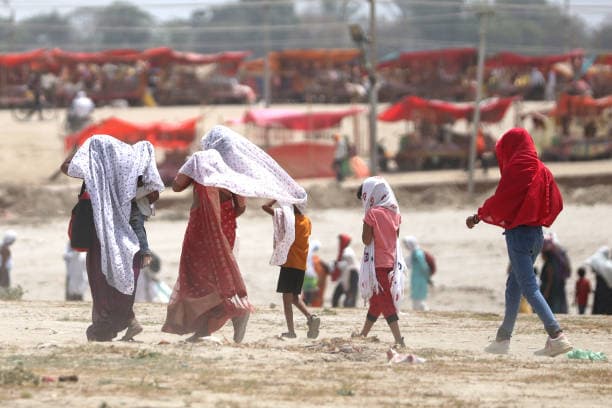
Heatwave 2026: North India Burns at 45°C — Complete Health Guide, Official Advisory and What You Must Do Now
If you stepped outside today in Delhi, Rajasthan, Uttar Pradesh, or any part of central India, you already know — 2026 is shaping up to be one of the most brutal summer seasons in recent memory. The India Meteorological Department (IMD) has issued heatwave alerts across 10 states, the highest temperature recorded this season hit 45.6°C in Amravati, Maharashtra, and health authorities are warning that conditions will remain dangerous until at least May 25.
This is not just uncomfortable weather. This is a serious public health emergency. Here is everything you need to know to protect yourself, your children, your elderly parents, and your outdoor workers.
Current Heatwave Status — May 19, 2026
The IMD has declared heatwave to severe heatwave conditions across the following states:
| State | Condition | Alert Level |
|---|---|---|
| Delhi | Heatwave | Yellow Alert |
| Rajasthan | Severe Heatwave | Red Alert |
| Punjab | Heatwave | Yellow Alert |
| Haryana | Heatwave | Yellow Alert |
| Uttar Pradesh | Heatwave | Orange Alert |
| Madhya Pradesh | Severe Heatwave | Orange Alert |
| Vidarbha (Maharashtra) | Severe Heatwave | Red Alert |
| Chhattisgarh | Heatwave | Yellow Alert |
| Bihar | Heatwave | Yellow Alert |
| Telangana | Heatwave | Yellow Alert |
Temperatures in Delhi are expected to touch 44°C to 45°C over the next several days. The heatwave is expected to continue until May 22–25, with no significant relief forecast before that.
At the same time, southern states including Kerala and Karnataka have begun receiving early monsoon showers — creating a sharp north-south weather contrast across India.
Why Is 2026 So Hot? The Science Explained
Scientists say several factors are combining to make 2026 exceptionally hot:
1. Delayed Pre-Monsoon Showers The usual pre-monsoon thunderstorms that bring temporary relief to North India in April and May have been significantly delayed this year, allowing temperatures to climb without interruption.
2. Heat Island Effect in Cities Urban areas — particularly Delhi, Lucknow, Nagpur, and Jaipur — are recording temperatures significantly higher than surrounding rural areas because concrete structures, roads, and buildings absorb and trap heat. This effect worsens every year as cities expand.
3. Climate Change Scientists note that extreme heat events are becoming more frequent and more intense across India and South Asia due to long-term climate change. The 2025 India-Pakistan heatwave, which caused at least 455 deaths across India, was a stark warning. 2026 appears to be continuing that trend.
4. Dry Westerly Winds Hot, dry winds from Rajasthan and the Thar Desert — locally known as "loo" — have intensified across central and northern India, pushing temperatures well above seasonal averages.
Official Government Health Advisory — What the Ministry Says
The Ministry of Health and Family Welfare, in coordination with the Ministry of Ayush, issued a comprehensive public health advisory on May 19, 2026. This is India's most detailed heatwave health advisory in recent years.
Who Is Most at Risk
The advisory specifically identifies these groups as most vulnerable:
- Infants and young children
- Pregnant women
- Elderly people above 65 years
- Outdoor labourers (construction workers, farmers, delivery workers)
- People with pre-existing conditions — heart disease, high blood pressure, diabetes
Official Do's — What the Government Advises
Hydration:
- Drink 8–10 glasses of water every day even if you do not feel thirsty
- Drink buttermilk, lassi, coconut water, and nimbu pani — these replenish electrolytes
- Carry water whenever stepping outside
- ORS (Oral Rehydration Solution) is recommended for heavy sweating
Clothing and outdoor behaviour:
- Wear light-coloured, loose, cotton clothing — white and light colours reflect heat
- Cover your head with a cotton cloth, hat, or umbrella when going outdoors
- Avoid going outside between 11 AM and 4 PM — this is the peak heat period
- If you must be outside, take breaks in shade every 30 minutes
Traditional remedies included in the official advisory:
- Immerse feet in water at 20°C — this is specifically mentioned in the government advisory as an effective cooling technique
- Apply raw mango pulp (aam panna) on body before going out — an Ayurvedic recommendation
- Drink aam panna — a traditional raw mango drink that is highly effective against heat exhaustion
Foods to eat and avoid:
- Eat light, easily digestible meals — khichdi, curd rice, fruits, salads
- Avoid high-protein foods during extreme heat — they increase metabolic heat production
- Avoid tea, coffee, cola, and alcohol — these are diuretics that increase dehydration
- Eat watermelon, cucumber, muskmelon — high water content fruits that keep you hydrated
Heat-Related Illnesses — Know the Difference
Understanding the difference between heat cramps, heat exhaustion, and heatstroke could save a life.
Heat Cramps (Mild)
Symptoms: Muscle cramps, especially in legs and abdomen during or after exercise in heat. What to do: Rest in shade, drink ORS or salted water, gently stretch the cramping muscle.
Heat Exhaustion (Moderate — Act Quickly)
Symptoms: Heavy sweating, weakness, dizziness, nausea, headache, cold and pale skin, rapid weak pulse. What to do: Move to cool area immediately, remove excess clothing, apply cool wet cloths to skin, sip water slowly. If vomiting occurs, seek medical help immediately.
Heatstroke (Severe — Medical Emergency)
Symptoms: Body temperature above 40°C, hot and red skin, rapid strong pulse, confusion, unconsciousness. What to do: Call 108 (emergency) immediately. Move person to cool area. Use ice packs on neck, armpits, and groin. Do NOT give fluids to an unconscious person.
Remember: Heatstroke can be fatal within minutes if not treated. Do not delay calling emergency services.
Protecting Children in a Heatwave
Children are particularly vulnerable because their bodies heat up 3–5 times faster than adults and they cannot always communicate that they are overheating.
- Never leave a child in a parked car — temperatures inside a parked car can reach 70°C within minutes
- Give children water or diluted ORS every 30 minutes during hot days
- Keep children indoors during 11 AM – 4 PM
- Schools should ensure adequate drinking water is available throughout the day
- Watch for signs of dehydration: dry mouth, no tears when crying, fewer wet diapers
Protecting Elderly Parents
- Check on elderly relatives living alone at least twice a day during a heatwave
- Ensure their home has adequate ventilation — use fans, coolers, or air conditioning if available
- If they do not have a cooler, help them access a community cooling centre (many district governments have opened these)
- Encourage them to eat light meals and drink water regularly even if they say they are not thirsty — elderly people often lose the sensation of thirst
Advice for Outdoor Workers — Construction, Farming, Delivery
- Employers must provide shade, drinking water, and rest breaks every hour
- Wear cotton full-sleeve clothing and a cap — this reduces heat absorption
- Start work as early as possible (5 AM–10 AM) and take a long midday break
- Eat a banana or ORS before starting outdoor work — potassium helps prevent heat cramps
- If you feel dizzy, stop immediately and rest in shade
When Will Relief Come? IMD Monsoon Forecast
The southwest monsoon is expected to arrive in Kerala by May 26, 2026 — which is earlier than the usual June 1 date. This is good news for southern India.
However, for North India — Delhi, UP, Rajasthan, Punjab, Haryana — monsoon relief is typically not expected until late June or early July. The heatwave conditions are likely to persist in these regions through the end of May.
The IMD has forecast that above-normal temperatures may continue throughout the pre-monsoon season across most of India.
Emergency Numbers
| Service | Number |
|---|---|
| National Emergency | 112 |
| Ambulance | 108 |
| Disaster Management | 1078 |
Conclusion
The 2026 heatwave is a serious health challenge for millions of Indians. The government's advisory is comprehensive and combines modern medicine with traditional Indian wisdom. Follow the guidelines, look out for vulnerable people around you, and do not underestimate the danger of extreme heat.
Stay indoors during peak hours. Stay hydrated. And keep checking Daily Ganga for daily weather updates and health advisories throughout the heatwave season.
Sources: IMD, Ministry of Health and Family Welfare, Zee News, BusinessToday, The Week, Tribune India — May 19, 2026