
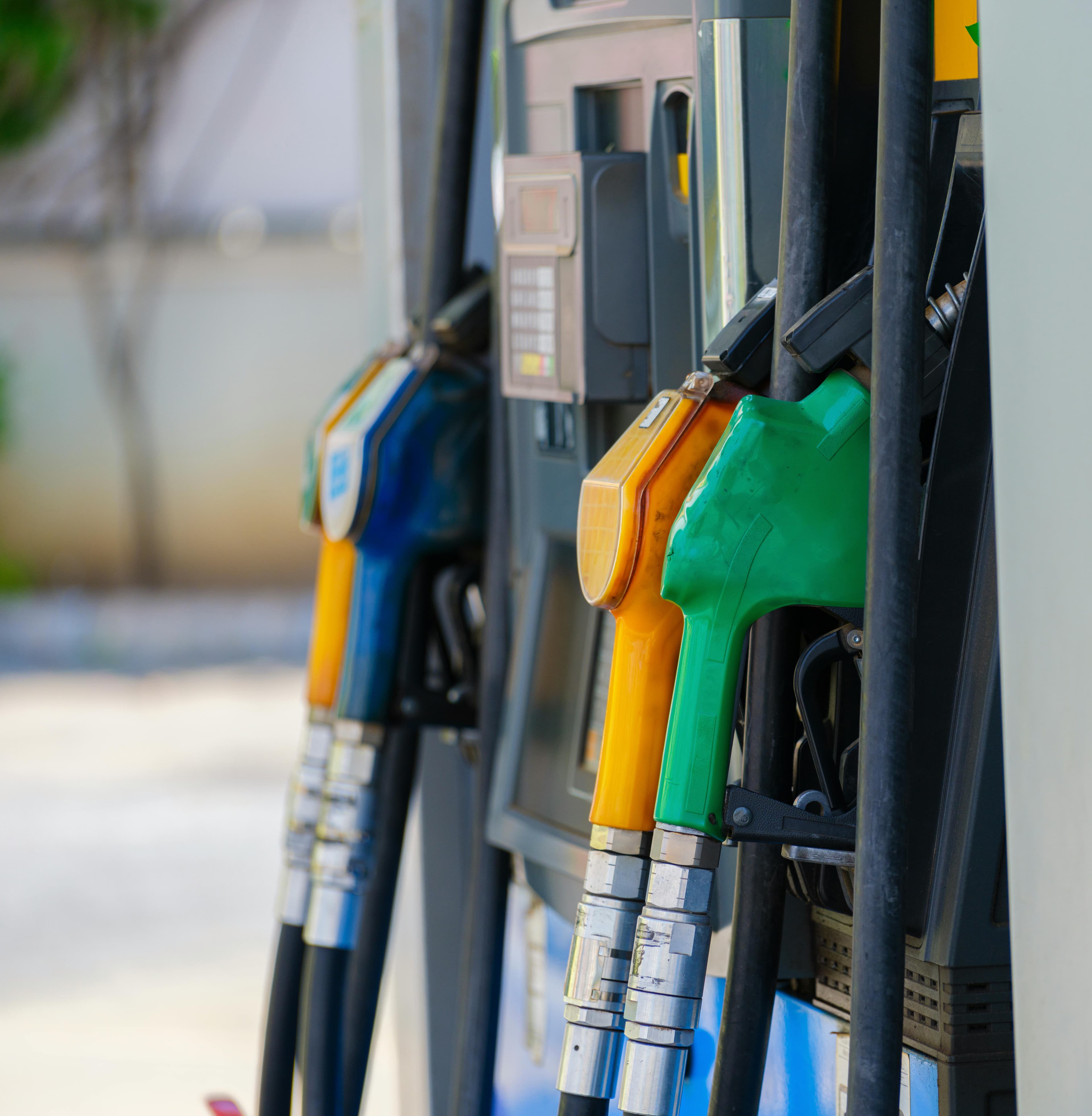
Fuel Price Hike in India: How the Iran War is Burning a Hole in Your Pocket
Petrol is now ₹97.77 per litre in Delhi. Diesel is ₹90.67. And for millions of Indians — from taxi drivers to middle-class families — this ₹3 per litre increase announced on May 15, 2026 is not just a number. It is the first fuel price hike India has seen in 49 months, and the reason behind it is a crisis unfolding thousands of kilometres away.
What Happened — The Price Hike Explained
On May 15, 2026, India's Oil Marketing Companies (OMCs) — Indian Oil, BPCL, and HPCL — raised petrol and diesel prices by ₹3 per litre across the country. This is a 3% increase and marks the end of a nearly four-year freeze on fuel prices.
The government had held prices steady for a long time, partly due to election sensitivities. But with losses mounting at state refiners and global crude oil prices staying above $100 a barrel, the hike became unavoidable.
Why Are Prices Rising? The Iran War Connection
The root cause is geopolitical — and it begins at a narrow waterway called the Strait of Hormuz.
The ongoing US-Israel war on Iran has effectively shut down or severely disrupted the Strait of Hormuz — one of the world's most critical oil shipping routes. Here is why this matters so much for India:
- India imports 90% of all the crude oil it consumes
- Nearly 40–50% of those imports previously passed through the Strait of Hormuz
- With the strait now partially closed, India's crude oil supply has been severely squeezed
- Global crude prices have surged as a result, crossing $100 per barrel
Think of it this way — if you normally buy groceries from a shop 2 km away, and that shop closes, you now have to travel 20 km to another shop and pay more. That is exactly what India is experiencing with its oil supply.
How Much Will This Affect Your Daily Life?
The ₹3 per litre hike may seem small, but the ripple effects across the economy are significant:
For Vehicle Owners
- A 40-litre petrol tank now costs ₹120 more to fill
- Daily commuters spending ₹3,000/month on fuel will now spend ₹3,090–3,120
- Auto-rickshaw and taxi fares are likely to increase soon
For Households
- LPG cylinder prices may follow — cooking gas often tracks crude oil
- Vegetables and groceries will become more expensive as transport costs rise
- Home delivery services, logistics companies will pass on costs to consumers
For the Economy
- Wholesale Price Index (WPI) inflation was already at 8.3% in April 2026 — one of the highest in years
- Consumer Price Index (CPI) is now forecast to reach 4.1% in May 2026
- India's current account deficit is expected to widen, possibly doubling from 0.9% to 2.0% of GDP
What the Government Is Doing
The Indian government is not sitting idle. Several measures are being taken to manage the crisis:
1. Ethanol Blending Push Fuel stations across India now sell petrol blended with 20% ethanol. The government is pushing to expand this to 85% and even 100% ethanol vehicles. This reduces dependence on crude oil imports.
2. New Energy Deals Prime Minister Modi signed oil and gas cooperation agreements with the UAE as part of a five-nation tour aimed at securing India's energy supply.
3. Russian Crude Waiver India has asked the United States to extend sanction waivers on Russian crude oil, which has been a critical alternative supply source since Middle Eastern supplies were disrupted.
4. Delhi Austerity Measures Delhi became the first state to introduce fuel-saving measures — mandatory work-from-home days for government employees and a 90-day campaign to reduce official fuel consumption.
5. Conservation Advisory The central government has issued advisories on fuel conservation to all departments.
What History Tells Us
India last hiked fuel prices in April 2022, when the government raised prices by ₹10 per litre over two rounds. Before that, prices were hiked frequently — sometimes every fortnight — based on global crude movements.
The fact that prices were held steady for 49 months is unusual and was a deliberate policy choice. Economists had warned for months that the freeze was creating unsustainable losses for OMCs, and the Iran war simply accelerated the inevitable.
What Should You Do as a Consumer?
Here are practical steps every Indian can take to manage the impact of rising fuel prices:
- Use public transport wherever possible — metro, bus, or shared autos
- Carpool with colleagues — even 2 people sharing a car halves your fuel cost
- Maintain your vehicle — proper tyre pressure and timely servicing improve fuel efficiency by 10–15%
- Avoid unnecessary trips — combine errands into single outings
- Switch to CNG if your city has infrastructure — CNG is currently far cheaper than petrol
- Consider EV options — electric two-wheelers now start at ₹80,000 and cost ₹1–2 per km to run
Will Prices Rise Further?
Analysts are cautious. If the Iran conflict continues and the Strait of Hormuz remains disrupted, crude oil could rise beyond $110–120 per barrel, which would put further pressure on Indian fuel prices. On the other hand, if diplomatic efforts succeed in restoring supply routes, prices could stabilise.
The government is also watching the monsoon forecast closely — a weak monsoon due to El Niño risks could raise food prices simultaneously, creating a double burden on Indian households.
Conclusion
The ₹3 fuel price hike is not just a policy decision — it is a signal that global events far from India's borders can directly impact the money in your pocket. The war in Iran, the Strait of Hormuz, crude oil above $100 — these are not abstract news items. They are the reason your petrol bill went up this week.
At Daily Ganga, we will continue tracking this story daily — fuel prices, inflation, and what it means for your finances. Stay informed. Stay prepared.
Sources: Al Jazeera, OilPrice.com, Whalesbook, Washington Post — May 2026